


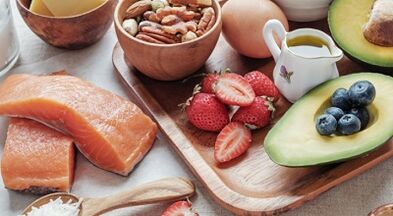
Rich, flavorful foods combined with creamy, hearty sauces will help you lose weight!It sounds absurd at first glance, but a low-carb, high-fat diet is a great way to enjoy eating and lose weight at the same time.
Ketogenic diet: a fight against fat in the name of thinness
Fat is a unique flavor enhancer that makes our food especially appetizing.After all, how can you compare a dry chicken breast with a juicy piece of pork in cheese sauce?The same.
If you eat enough fatty foods and keep carbohydrate intake to a minimum, dietary nutrition will open up to you from a new side: tasty, juicy and nutritious!
Very soon we will move on to the TOP 10 methods, but for now let's briefly look at the principle of the keto diet: how it works, forcing the body to lose weight, but at the same time eliminating the feeling of hunger and bad mood that are so typical for dietary restrictions.
The basis of the ketogenic diet is foods with a high fat content, an optimal amount of protein and a minimum amount of carbohydrates.The portion of the latter should not exceed 25 g per day (the optimal amount is in the range of 20 to 25 g).
The simplest way to produce energy for our body is glucose, the source of which is carbohydrates of all kinds (like an apple that contains two dozen carbohydrates, as well as buns and sweets).But as soon as the supply of this substance is limited, our system begins to use ketones, which are produced in the liver, as fuel.
It triggers ketosis, a natural process within the body that usually comes into play during extreme hunger.For example, if even the smallest piece of food does not appear in the stomach for several days, the body begins to experience a lack of glucose (the energy source has dried up), so it recruits ketones to work.
In this way, the keto diet helps you lose weight, not because of hunger, but because of the low contribution of carbohydrates to the “processing workshop.”As soon as the body has switched to using fats as a source of energy for life, it begins to actively "eat" the fats in food, as well as those that "decorate" our sides, our stomach and other parts of the body.
Therefore, on a ketogenic diet, it is important to remember the main thing: your diet should contain as much fat as possible, as they will lead the body to leanness.Contrary to prejudices (fat makes you fat, is harmful, etc.), do not be afraid of fatty foods, because as part of a low-carbohydrate diet, they will be extremely beneficial for the body.
On a ketogenic diet you will always feel full, cheerful and in a good mood, because fatty foods satisfy your hunger perfectly and for a long time, and the pleasant creamy taste of food does not allow you to feel deprived of delicious dishes.
This is exactly what happens in other diets with a strict restriction on the amount of cheese, for example, or a complete ban on a juicy kebab made from a fatty piece of pork.
TOP 10: we eat greasy and tasty!
In some cases, the ketogenic diet can be problematic for people who are not used to eating a lot of fatty foods.Therefore, we are talking about 10 ways to eat more natural fats, obtaining extensive benefits, both the pleasure of eating and effective weight loss.
1. Start with high-fat whole foods
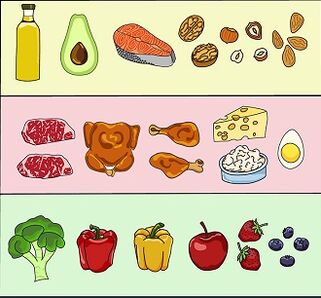
It's time to say goodbye to low-fat or low-fat foods.Clean your refrigerator and kitchen cupboards of dried egg mixes instead of real eggs, artificial cream, and low-fat peanut butter.Now your breakfast, lunch or dinner will be truly delicious!
Get rid of any foods labeled “light” or “diet”;They have no place in your stomach on the ketogenic diet.Replace skimmed milk with the fattest one, enjoy thick cream of 20% or more, eat cottage cheese with a fat content of 9% and enjoy the delicate creamy taste of food.
By the way, if you can't find whole milk or yogurt in a store near you, feel free to buy a low-fat product, because you can increase the fat content yourself.For example, add a few tablespoons of heavy cream or sour cream to 1% drinking yogurt.
Review your entire shopping list.Your goal is to stock your refrigerator with high-fat whole foods, including avocados and chicken eggs.
When preparing dishes, try to add natural fats and not avoid them out of habit.Fry eggs in melted butter, eat your favorite high-fat hard cheeses.
In a word, do not deny yourself the pleasure of eating tasty and fatty foods!By the way, you can easily make natural ice cream with cream: just churn it and put it in the freezer.In an hour your delicacy will be ready.Use strawberries or apricots as a sweetener - they contain a minimal amount of carbohydrates (5 g for half a cup of strawberries and 8 g for 2 large apricots).
From now on, give preference to fatty meats.In addition, it is more aromatic, tender and economical, unlike its low-fat counterparts.Include fish such as salmon, mackerel and sardines in your diet;They are high in fat, so they will be an excellent addition to your menu.
2. Cook with added fat
Don't be afraid to pour so much oil into the pan that pieces of food literally swim in it.There is no need to steam vegetables or bake dry chicken breast without a drop of fat in aluminum foil anymore.Cook vegetables, fish, meat or eggs low in carbohydrates and with natural fats.
This will make your food even more appetizing and nutritious.Use only the amount of fat necessary to prepare the dish.You can always throw away leftovers;There is no point in eating them with a spoon.
3. Use different fats - this will diversify the taste of food.
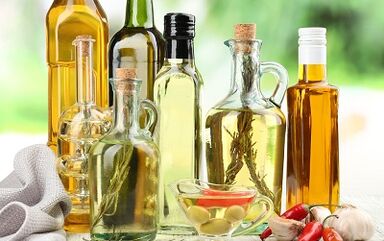
Fats can easily change the taste of foods and this is a great way to expand the range of taste sensations for each day of the ketogenic diet.The simplest option is to boil green beans and season them with a piece of butter for a pleasant aftertaste.
Do you like it fatter?Then fry the beans in oil and finally drizzle them with sesame oil;you will get a wonderful dish.It is not prohibited to sprinkle the beans with a tablespoon of sesame seeds (this will enhance the taste and add a little more fat, which will help the body lose weight).
Experiments are welcome!Don't be afraid to try new combinations of foods and natural fats to see which foods you like best.Make a healthy contribution of several types of fats at the same time, which you can store in the refrigerator or kitchen cabinet:
- vegetable oil;
- olive and coconut;
- lard (in any form);
- sesame oil;
- avocado and peanut oil;
- pumpkin seed oil;
- nut oils (macadamia, almond, etc.);
- chicken fat, duck fat and other types of animal fats.
Use oil everywhere: on a sandwich, in salads, when boiling, stewing or frying food.
4. Stock up on a list of low-carb recipes
It's not difficult at all as it seems.Write down a dozen simple recipes in a separate notebook so you don't have to rack your brain every time over what delicious thing to cook for breakfast or dinner.The most important thing is that there are practically no carbohydrates in the dishes.
Here are some first ideas for your dishes:
- Chicken casserole with feta cheese and olives.Only 6g of carbs and cooking is as easy as shelling pears: mix the ingredients and bake until golden brown, not forgetting to coat the chicken with spices and butter.
- Meat cutlets in creamy tomato sauce garnished with stewed cabbage(in butter, of course).Only 10 g of carbohydrates contrast with the lovely taste of a fried cutlet with a fragrant and rich sauce.
- Keto Pancakes with Roasted Pork.Only 8 g of carbohydrates and an amazing flavor delight!Use heavy cream and almond flour to prepare these pancakes and don't forget to season the finished dish with melted butter.
- Hamburger with airy egg bun, fried meat, cheese, vegetables and herbs.This dish will replace any fast meal and will provide only 7 g of carbohydrates!By the way, the "bun" itself is very easy to prepare: just beat the yolks and whites separately, then mix until a single dough is formed and bake in the oven.You probably already know how to fry meat.Enjoy!

Low-carb recipes will help you eat deliciously and, most importantly, consume a lot of fat, so necessary to lose weight on the ketogenic diet.
5. Cover prepared foods with oil, sauce, or rich dressing.
Do this with everything you eat.You don't need to devour spoonfuls of olive oil, but adding it to a vegetable salad is your sacred duty.Even avocado, known for being a very fatty food, pairs well with an oil dressing.
There are countless sauce options:
- pure vegetable oils mixed with herbs and seasonings;
- cheese and cream sauces, as well as their combinations (tomato, mushrooms, etc.);
- melted butter or everyone's “damned” mayonnaise.
Always add natural fats to your foods, as this is the basis of the ketogenic diet.
6. Beautiful food = greasy food.Decorate your dishes with fatty foods!
For some reason, when we hear the word "fat," our mind draws clumsy images of a nasty piece of lard or, worse yet, fat on our own body.So now it's time to think in the opposite direction, because fat sometimes looks really good, not to mention tastes!
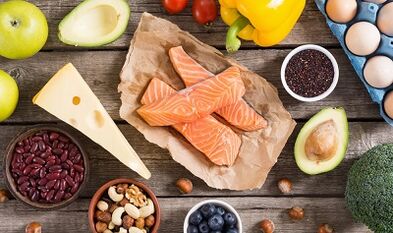
See what you can use to decorate your dishes:
- fatty cheeses;
- avocado slices;
- olives and seeds;
- spasmodic;
- chopped macadamia nuts;
- toasted sesame, almonds;
- mashed avocado, tomatoes and herbs;
- slices of bacon or brisket;
- pine nuts.
These simple foods add variety to the flavor of your food, provide your body with nutrients and, of course, lots of fat!They can be added to almost any dish and are a great support for your ketogenic eating plan.
7. Check the snacks: are you sure they contain fat?
Snacks and various appetizers are best avoided on any diet, but sometimes they are great for curbing hunger and allowing you to feel full until the next meal.If you are hungry, choose fatty snacks.It could be cheese, nuts or hard-boiled chicken eggs.
8. Always keep a stock of cheeses in the refrigerator.
Because cheese is the best complement to any meal.It works very well as a snack and can be had for breakfast or as a snack.Use cheese as a topping: It works great as a stand-alone dish (for example, a spicy cheese topping in the form of tightly rolled cutlets) and as an aesthetic touch to the main dish (in the form of sprinkles).
Prepare incredible creamy cheese-based desserts and enjoy the flavor for breakfast or dinner.Choose any type of fatty cheese with minimal carbohydrate content - this high-calorie product will quickly fill your stomach and leave you satisfied with your meal.
9. Add fat to drinks
Your tea, coffee or hot milk will shine with an inimitable taste if they contain a spoonful of aromatic fats.For example, melt some butter or coconut oil in a bowl.It will take no more than 30 seconds, but the aftertaste of the drink will delight your taste buds for another 15 minutes.
Heavy cream or thick sour cream from farm stores goes well with hot drinks.And if you add butter to a glass of hot milk, you can not only lose weight, but also forget about seasonal colds.Such a simple snack will solve two problems at once: quench thirst and fill the stomach.
While you indulge in fatty foods and dream of a slim body, do not forget about a reasonable approach to business.After all, an excess of fatty foods in some cases risks producing the opposite result: stopping the weight loss process or drastically increasing cholesterol levels.
Especially if you drink the drink on a full stomach, providing the body with tons of excess energy.This tool is powerful: use it wisely.
10. What dessert to choose on a ketogenic diet?
The first tip for all diets is to skip dessert.But, as with snacks, sometimes it is difficult to deny yourself that little pleasure that is so missing when losing weight.
If you're determined to treat yourself to something delicious, choose recipes that are high in fat and low in sugar, including artificial sweeteners.Sugar-free whipped cream (30% fat or more) with raspberries is an ideal choice for a keto dessert.
You can diversify the menu for those with a sweet tooth with fat bombs with vanilla, cinnamon and cardamom.These "sweets" go well with tea or coffee, and always lift the spirits of those who are losing weight.By the way, these "bombs" contain only 0.4 g of carbohydrates.Write down the recipe, because they are prepared easily and very quickly!
What you will need:
- 85 g butter (preferably unleavened);
- 0.5 grated coconut (no added sugar);
- 0.5 teaspoon ground cardamom (green);
- 0.5 teaspoon vanilla extract;
- 0.5 teaspoon ground cinnamon.
How to cook:
- Heat the oil to room temperature.
- Fry the coconut flakes until golden brown.
- Mix the butter, most of the chips, the spices and place in the refrigerator for 10 minutes.
- Once the mixture has firmed up a bit, form it into balls, roll in the remaining toasted coconut, and enjoy!
This dessert can be conveniently stored in both the refrigerator and the freezer (the shelf life is the same as the oil you used).
How to enhance the weight loss effect with a ketogenic diet?
Fats make our life tastier, healthier and easier in the true sense of the word, but moderation is important in everything.At each meal eat moderate portions, do not overeat.The best advice is to get up from the table a little hungry, because the feeling of satiety comes a little later after the end of the meal.
If it turns out that you are hungry, this can always be corrected with a small portion of fatty foods, but if you overeat, the diet can be considered unsuccessful.Watch your diet: make sure you have a lot of fat and few carbohydrates.Do not deviate from the designated course, because this is the basis of the ketogenic diet.
If you want to achieve maximum results, check out some helpful tips below.
1. Make onboarding easy.
At the beginning of a carb-free journey, fatty foods run the risk of appearing too high in fat to the body;This is normal, so your task is to wait for the "storm" to pass.When switching to a new food system, the body and taste buds begin to adapt gradually, you just have to give them a little time (on average, 2-4 weeks).
During this period, try to eat more neutral fatty foods (for example, avocado, cheese and meat fried in a small amount of oil).A smooth transition to higher-fat foods will relieve hunger and allow your body to get used to a new source of energy without unnecessary stress.
Once balance is achieved on the path of addiction, the feeling of hunger after a "light fat" diet will decrease.From the body's perspective, this indicates that adaptation has been successful and access to fat processing for fuel is completely open (there is no longer any supply of glucose stored in carbohydrate foods).
2. Watch your appetite
If you have adapted more than perfectly to the ketogenic diet, but your stomach has become too picky about the volume of food, then it's time to experiment: try reducing the amount of natural fats added to food (at the cooking stage or in the finished dish).
When you are hungry, choose foods high in fat instead of carbohydrates.The latter will reduce your weight loss efforts to nothing.Eat exactly as much food as you need to satisfy your hunger: let your body burn its internal fat stores, not an extra spoonful of butter from your plate.
3. Add more fat to your diet as you lose weight.
As soon as you achieve the result: the desired number on the scales, for which you abandoned carbohydrates, there are no longer any reserves of fat inside the body, which was used day after day as a source of energy.
During this period, it is important to listen to the body, tune it to the same wavelength to learn to read the signals of physical hunger.This is the period when the amount of fatty foods should be gradually increased.Until you “find” balance, that is, the ability to maintain weight without feeling hungry.
Don't worry because you won't be able to listen to your own body and there will be excess fat.During your weight loss process, which will take at least 2 months (depending on your starting weight), you will gain good communication skills with your stomach.
Your body itself will tell you how much food is enough to satisfy you.To listen to the track, all you need to do is keep your appetite under control and resist the temptation to overeat.
4. Eat enough protein foods
Protein foods are responsible for effectively suppressing hunger.If you eat a lot of fatty foods but are still hungry, check to see if enough protein is getting into the “processing department.”Lack of protein can slow or stop weight loss.
Make sure that your daily diet contains an average of 1.5 g of protein per 1 kg of body weight (the amount of protein can reach 1.7 g depending on weight, so the calculation is always individual).If you do fitness or go to the gym to build muscle, you should increase your protein portion a little more.
How much fatty food can you eat on a ketogenic diet?
The ketogenic nutrition system does not provide for strict restrictions on caloric intake, so the key rule is: eat until you are a little full, choose standard portions (or focus on the volume of a 200 gram glass; eat as much as fits).
Have dinner before 8 pm;This will facilitate the work of the entire body.Don't think that your stomach will be happy with a beef burger in cheese sauce an hour before bedtime.Like you, he wants to rest at night and not work at all on processing incoming supplies.
Eating well during the day will allow you to calmly survive a 12-hour break without eating (afternoon + night sleep).As a last resort, eat a piece of cheese or drink a glass of milk with a small spoonful of butter.
This will allow you to sip your hunger and fall asleep feeling full.And remember, even light physical activity like walking will significantly improve your weight loss results.
Eat deliciously and lose weight with pleasure!